
Longevity medicine is most commonly sought by people who are already experiencing the things they want to address. A 55-year-old notices declining energy, body composition changes, and recovery that is slower than it used to be, and they begin looking for approaches that address what is happening. This is a reasonable entry point, and the interventions available are genuinely helpful at that stage.
But the framing of longevity medicine as a response to noticed decline misses the most strategically advantageous window for beginning. Biological aging is not a sudden event that happens in your 50s. It is a gradual accumulation that has been underway for decades by the time most people notice it. The 30s are when several of the most relevant biological changes are beginning in ways that are preventable or slowable if addressed, but that become progressively harder to reverse if left unattended.
What Is Actually Happening in Your 30s Biologically
The 30s are often framed as peak health, and in many respects they are. But beneath the surface of that apparent peak, several trajectories have already turned in a direction that compounds over the following decades.
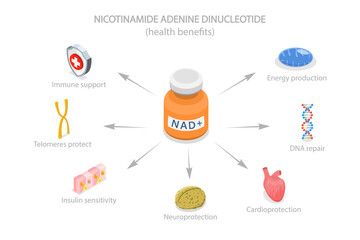
Growth hormone secretion begins its measurable decline in the mid-20s and continues through the 30s at a rate of roughly 14 percent per decade. NAD+ levels begin declining measurably in the 30s as well, and metabolic insulin sensitivity begins declining for many adults who are sedentary or whose dietary patterns promote insulin resistance.
Chronic inflammation, driven by lifestyle factors including diet, sleep deprivation, stress, and physical inactivity, begins accumulating measurable changes in inflammatory biomarkers through the 30s in many adults.
Why Earlier Intervention Changes the Math
The biological argument for starting longevity interventions in your 30s is straightforward. The trajectories described above compound. A moderate decline in insulin sensitivity in the 30s that is not addressed becomes significant insulin resistance by the 40s.
The analogy is financial. Starting to invest in your 30s produces dramatically better outcomes than starting with the same contributions in your 50s because of compounding. Biological health has the same compounding logic.
What Longevity Medicine in Your 30s Actually Looks Like
For most people in their 30s, the appropriate approach is less about dramatic interventions and more about establishing the foundations that make the difference over decades.
Resistance training, metabolic baseline assessment including fasting insulin, A1c, and a lipid panel, NAD+ precursor support, and sleep optimization are all low-risk, foundational steps that pay compounding dividends over time.
For patients in their 30s interested in physician-guided longevity medicine, the approach begins with a comprehensive health picture, establishing what is actually happening at the biological level and building a protocol that addresses the specific trajectories relevant to that individual rather than a generic age-based template.
Individual results may vary. All prescriptions require approval by a licensed medical provider. Compounded medications are not FDA-approved. EllieMD facilitates access to independent healthcare providers and pharmacies and does not provide medical care or dispense medications.
Ready to Start Your Journey?
Get your free personalized health assessment and guide today.
Get My Free Guide